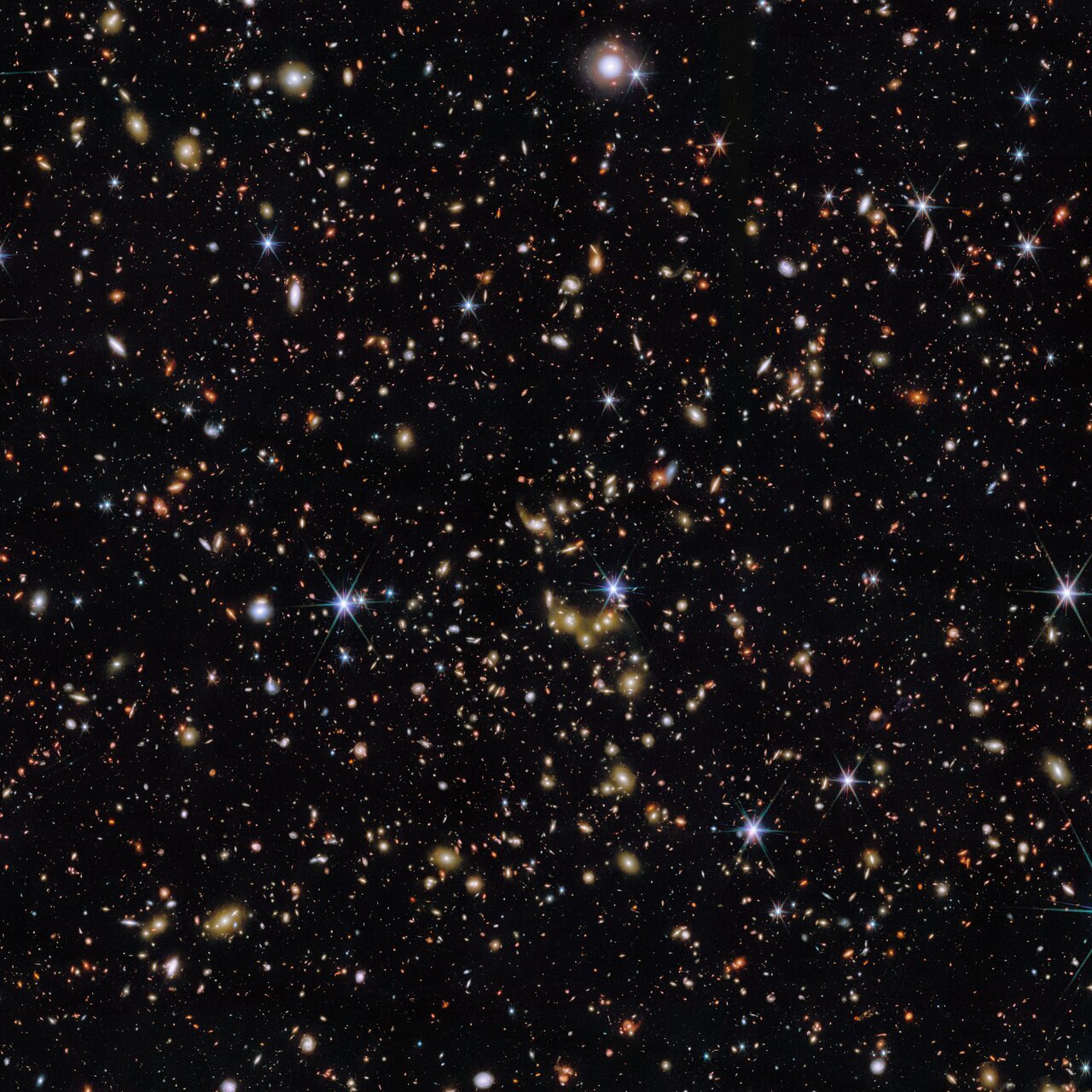
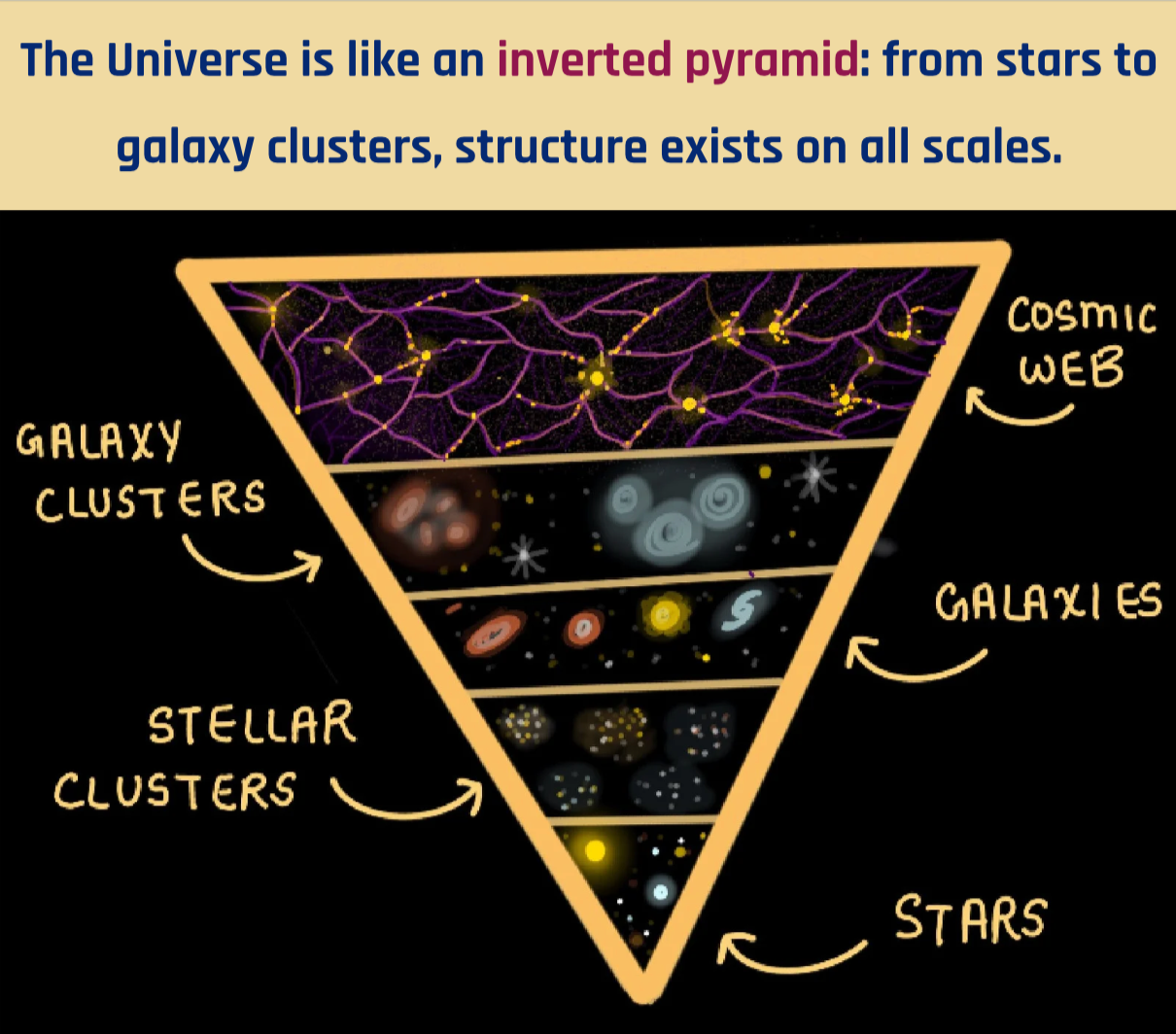
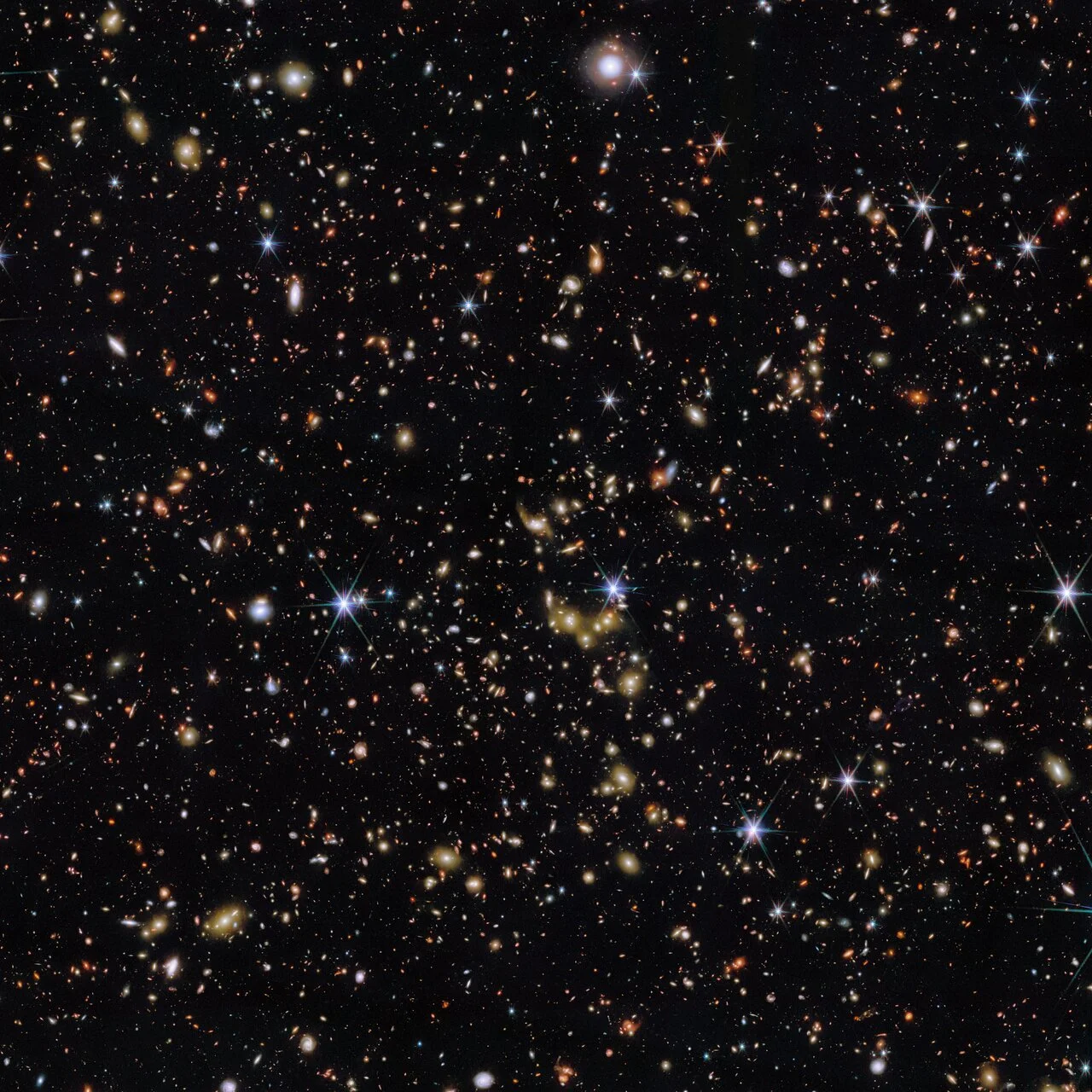
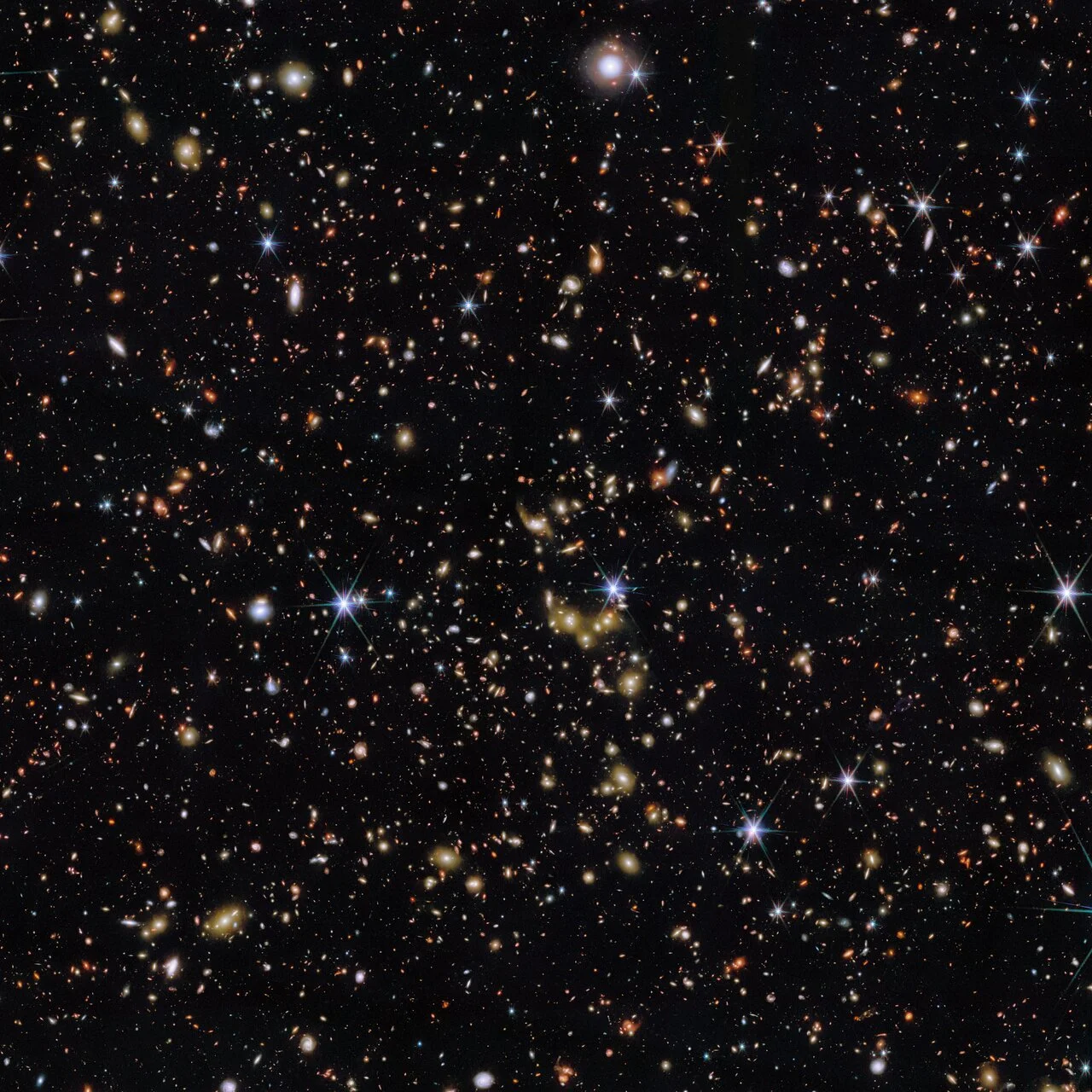
Let us look at this process of structure formation in more detail. On the left is a visual representation of our Universe across different scales. Notice how initially everything looks very uniform ? On the largest scales, the Universe is homogeneous, i.e., it looks roughly the same everywhere.
But as we zoom in, we start to see a web like structure, called the Cosmic Web. Bright nodes mark galaxies where stars are forming. These nodes are connected by string-like filaments, with large empty regions called voids in between.
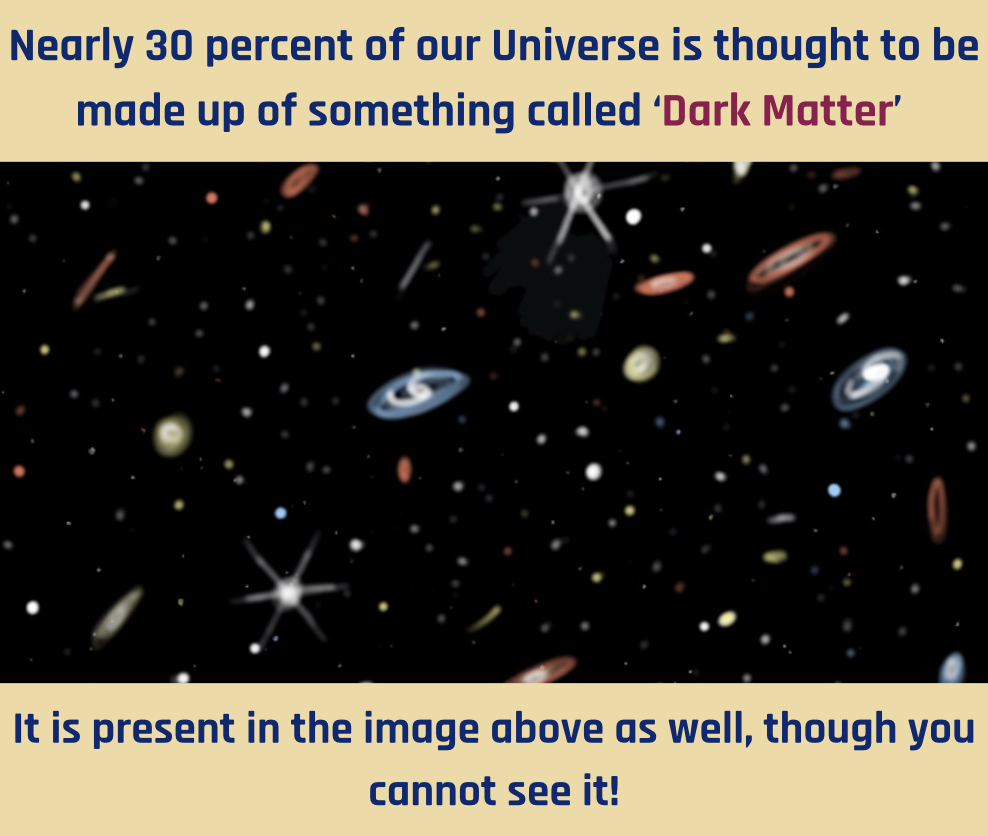
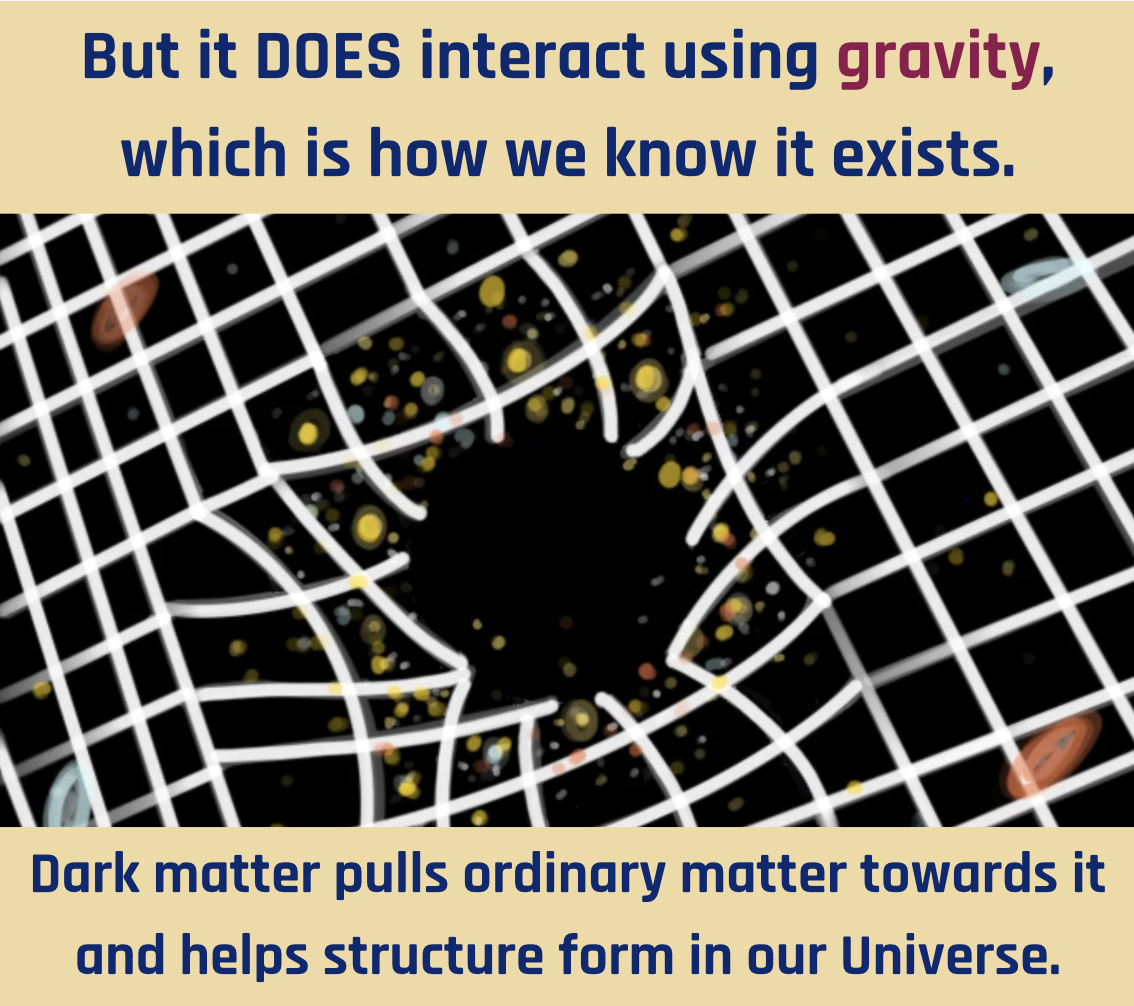
The web that we see is made of ordinary matter, but its skeletal structure is determined by Dark Matter. In the early Universe, gravity pulled dark matter into large, dense clumps called haloes. Gas fell into these haloes and formed stars and galaxies making dark matter the invisible scaffolding on which our Universe is built.
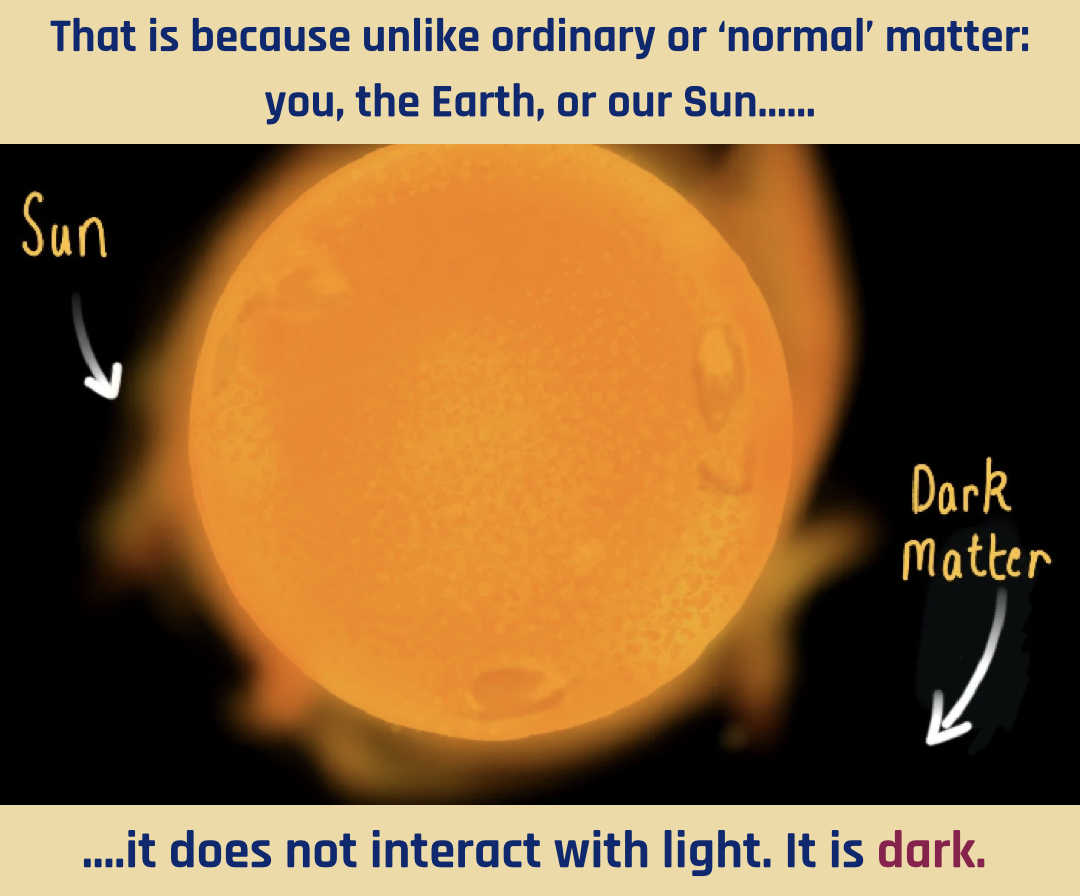
Although we still do not know its true nature, one leading idea is that dark matter consists of a special kind of particle that interacts gravitationally but not with light.
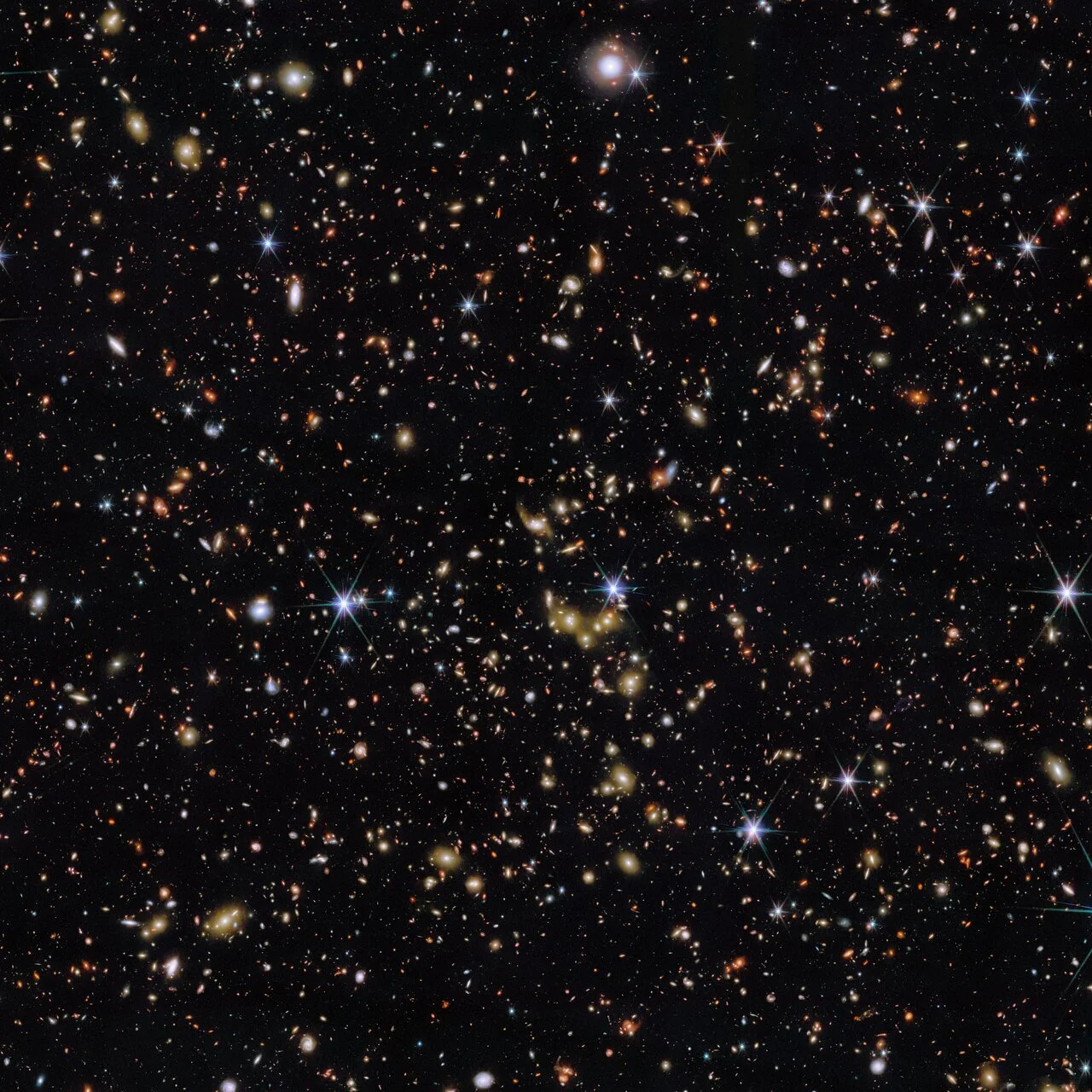
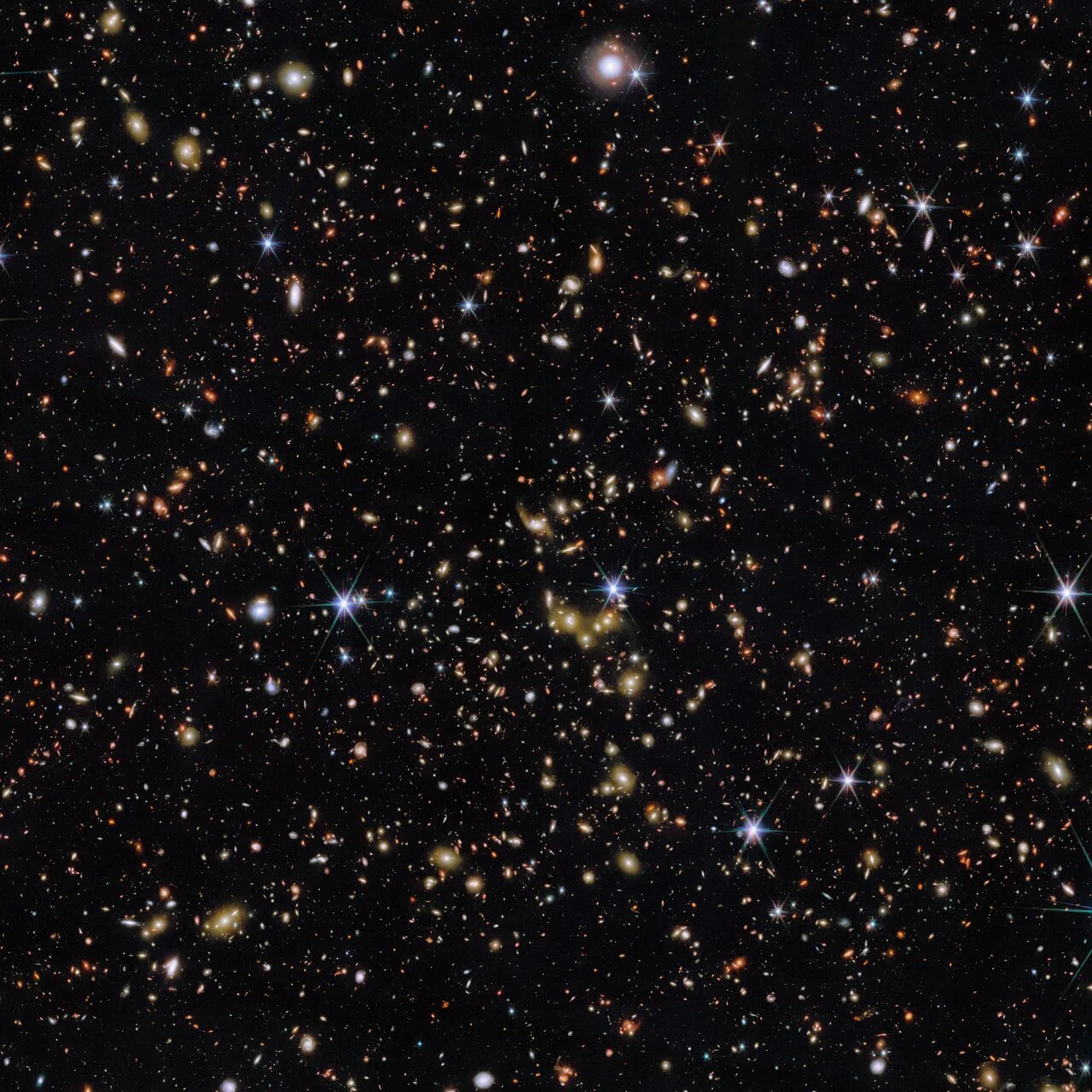
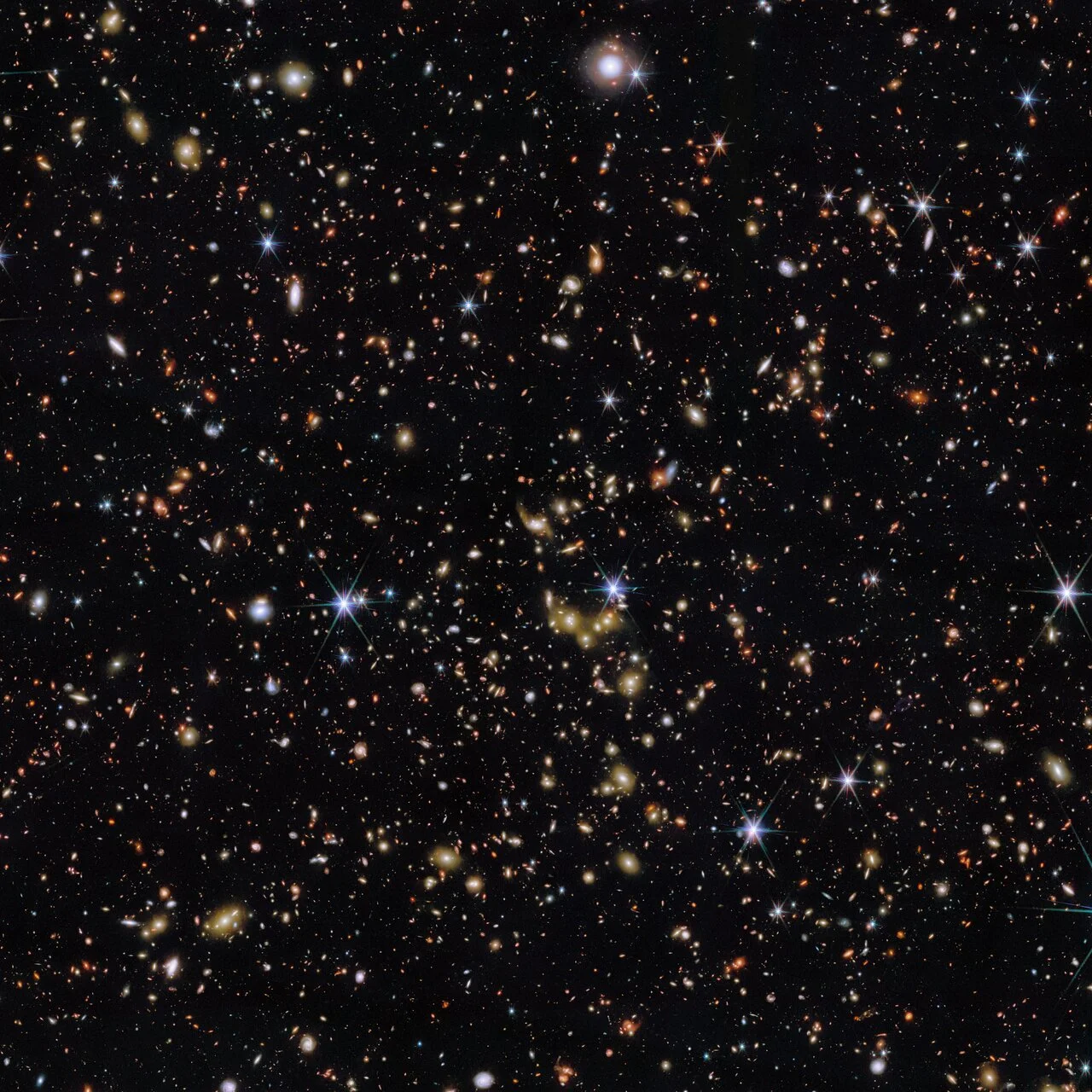
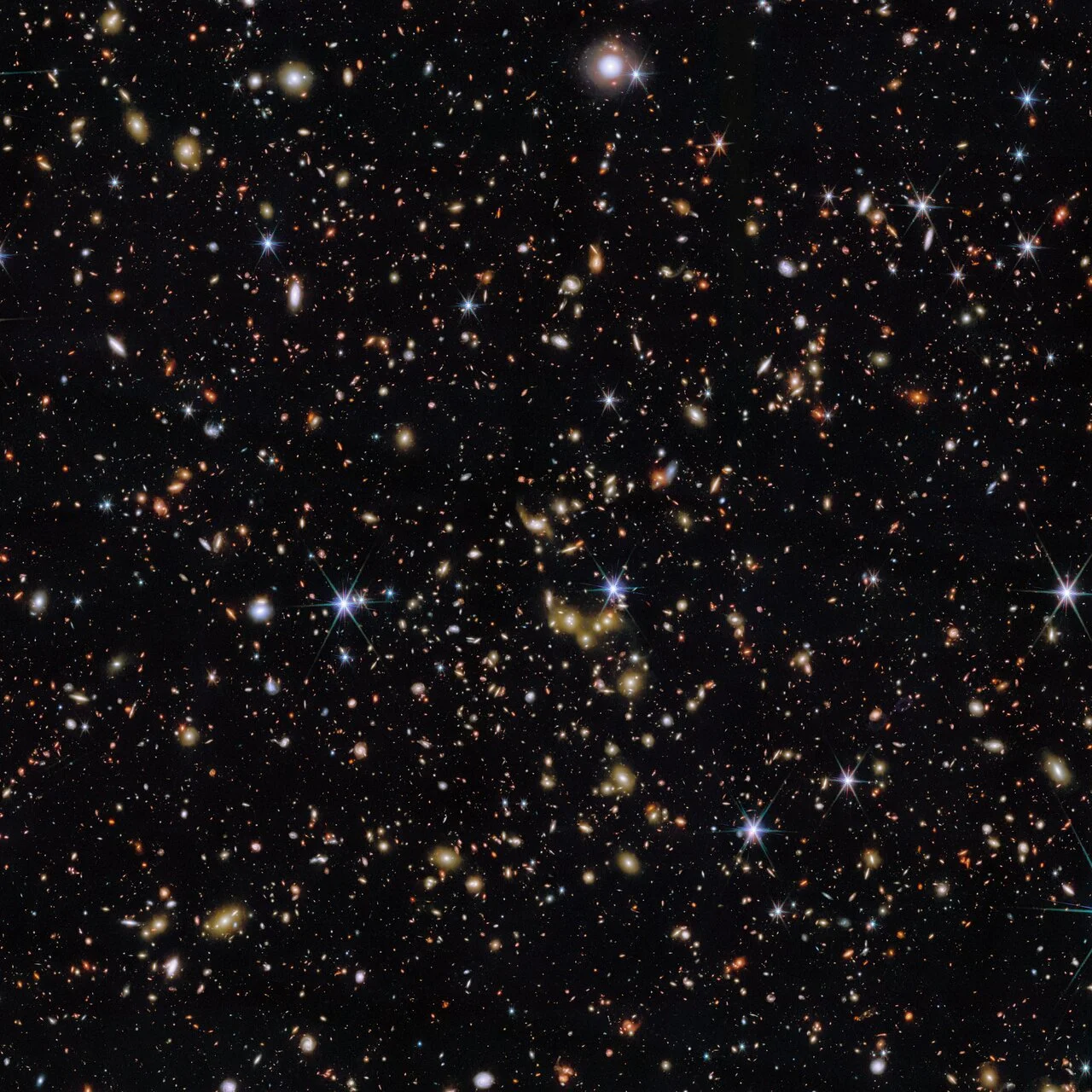
Image credit (Background): ESA/Webb, NASA & CSA
Video credit: Visualisation from the Millennium Simulation (Springel et al. 2005), courtesy of the Virgo Consortium.
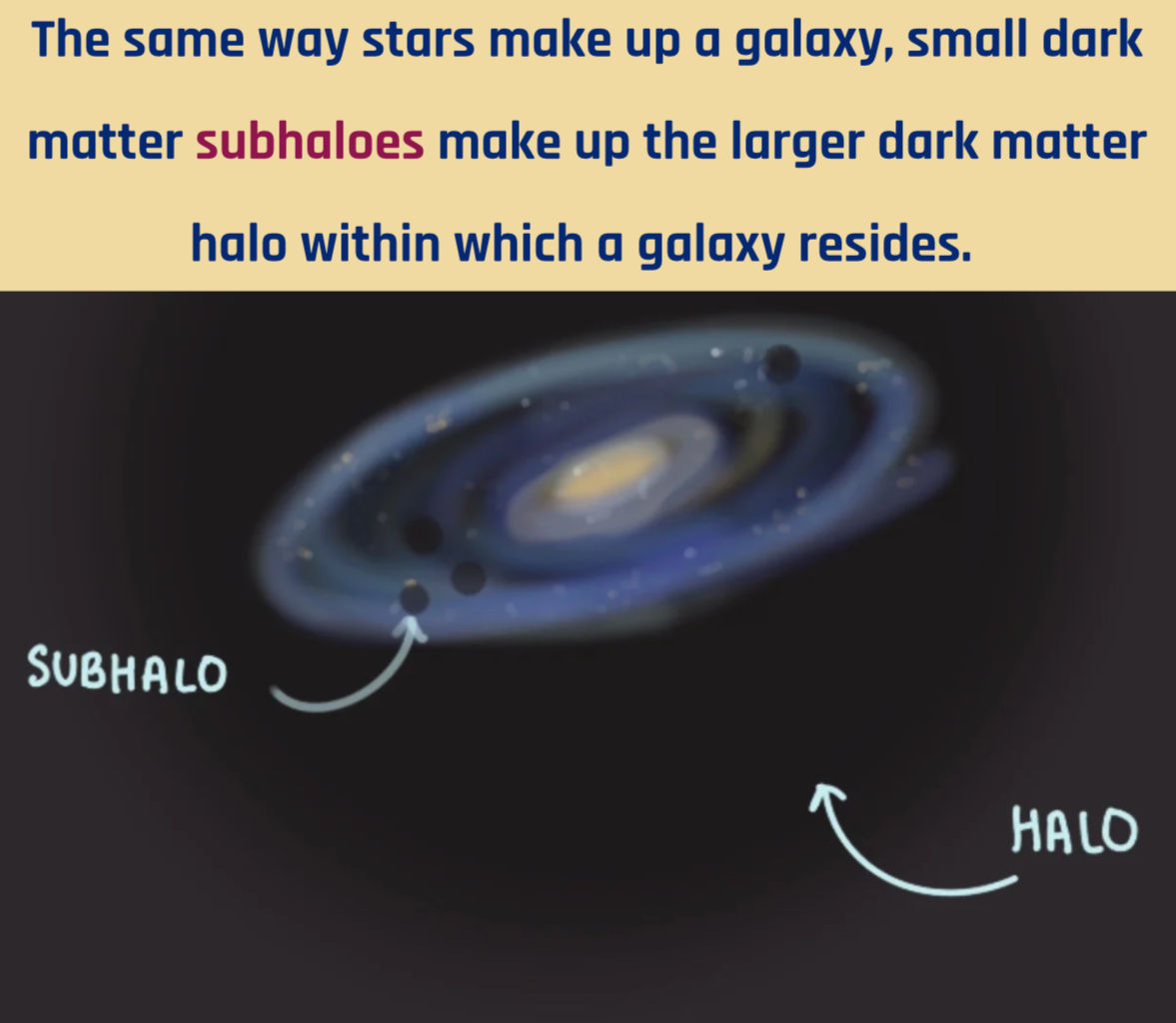
Let us zoom in and focus on the dynamics between one such subhalo, a star and a galaxy. To do so, we must first turn to the classic three body problem



The three body problem asks a simple question: what happens when three objects pull on each other with gravity?
With two objects, the motion is predictable, but when you add a third object, it becomes far more chaotic. The objects constantly exchange energy, their paths can shift dramatically, and one object can even be flung away or become trapped.
In other words, there is no one simple equation that tells us exactly how three gravitating bodies will move or where they might end up.
Capture is ONE possible outcome of a three body scenario. When three objects interact, one can become trapped by another.
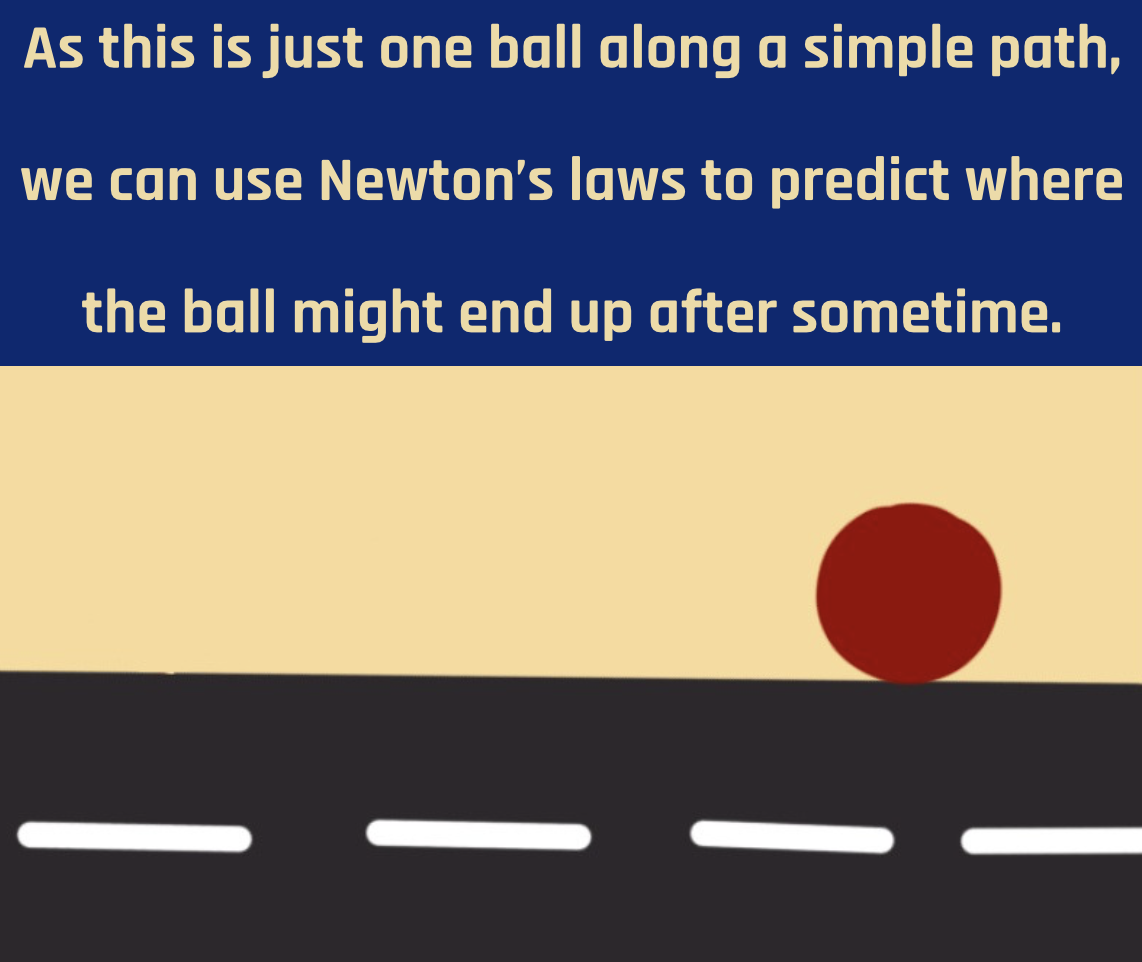
To understand this more clearly, scientists often simplify the problem. They assume one object is much smaller than the other two, so it does not affect their motion. This is called the Restricted Three Body Problem.
This has been used to explain how moons and small objects are captured in the Solar System. For example, an asteroid passing near the Sun and Jupiter can become trapped by Jupiter’s gravity.
On much larger scales, the same idea can be applied to galactic environments including the capture of stars by dark matter subhaloes in galaxies.
When stars are captured by subhaloes, they can form stellar clumps which are expected to be observable. Stellar capture can, thus, indirectly make the otherwise invisible dark matter visible.
Previous work has studied this phenomenon for a single subhalo. In my work, I study a population of subhaloes acting together inside a dwarf galaxy and compare these interactions for halos of different masses.
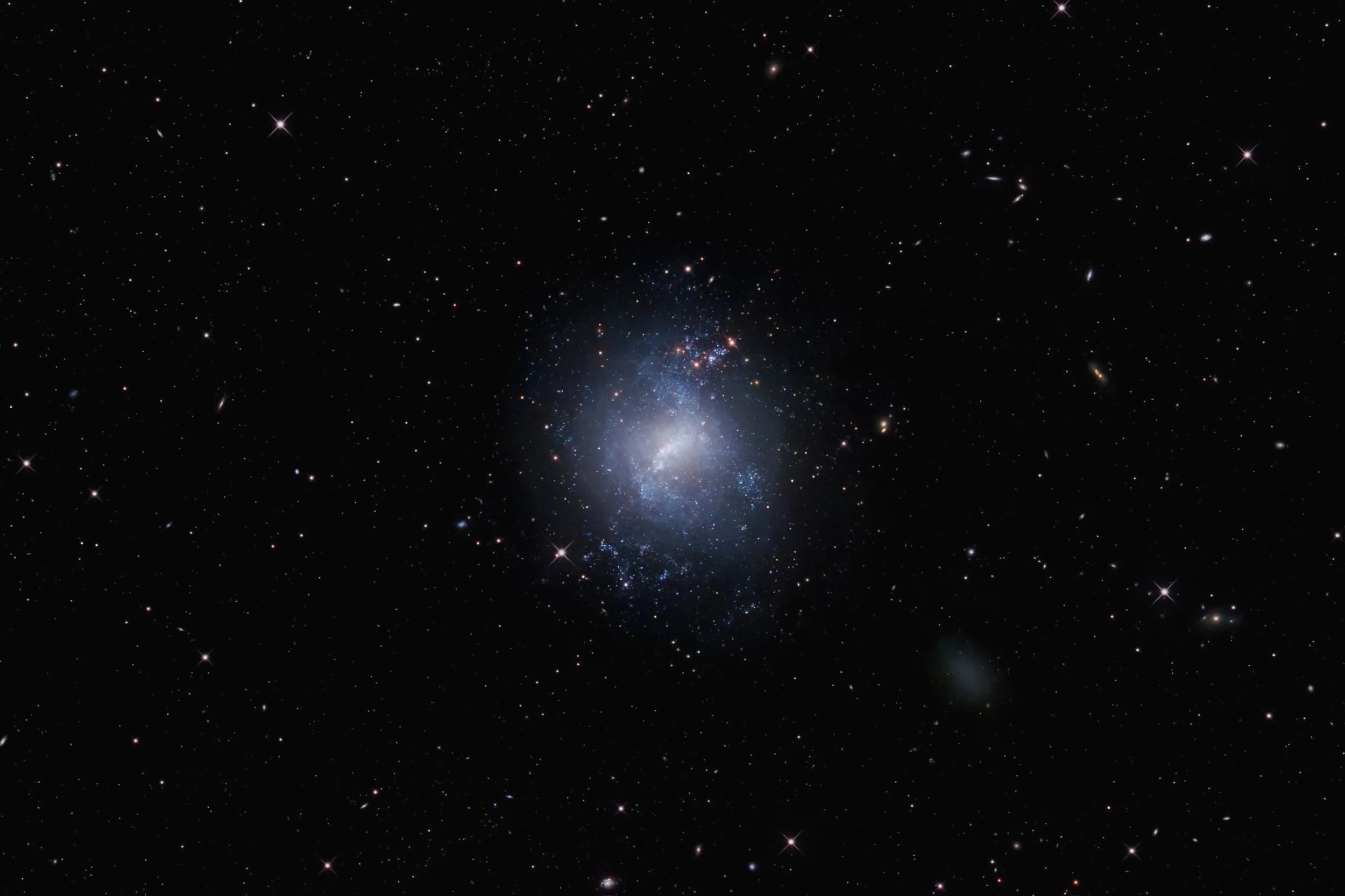
So, how do I actually study these galaxies ?

Video credit: Prof. Jorge Peñarrubia (simulation output based on work in Peñarrubia et al. (2024))
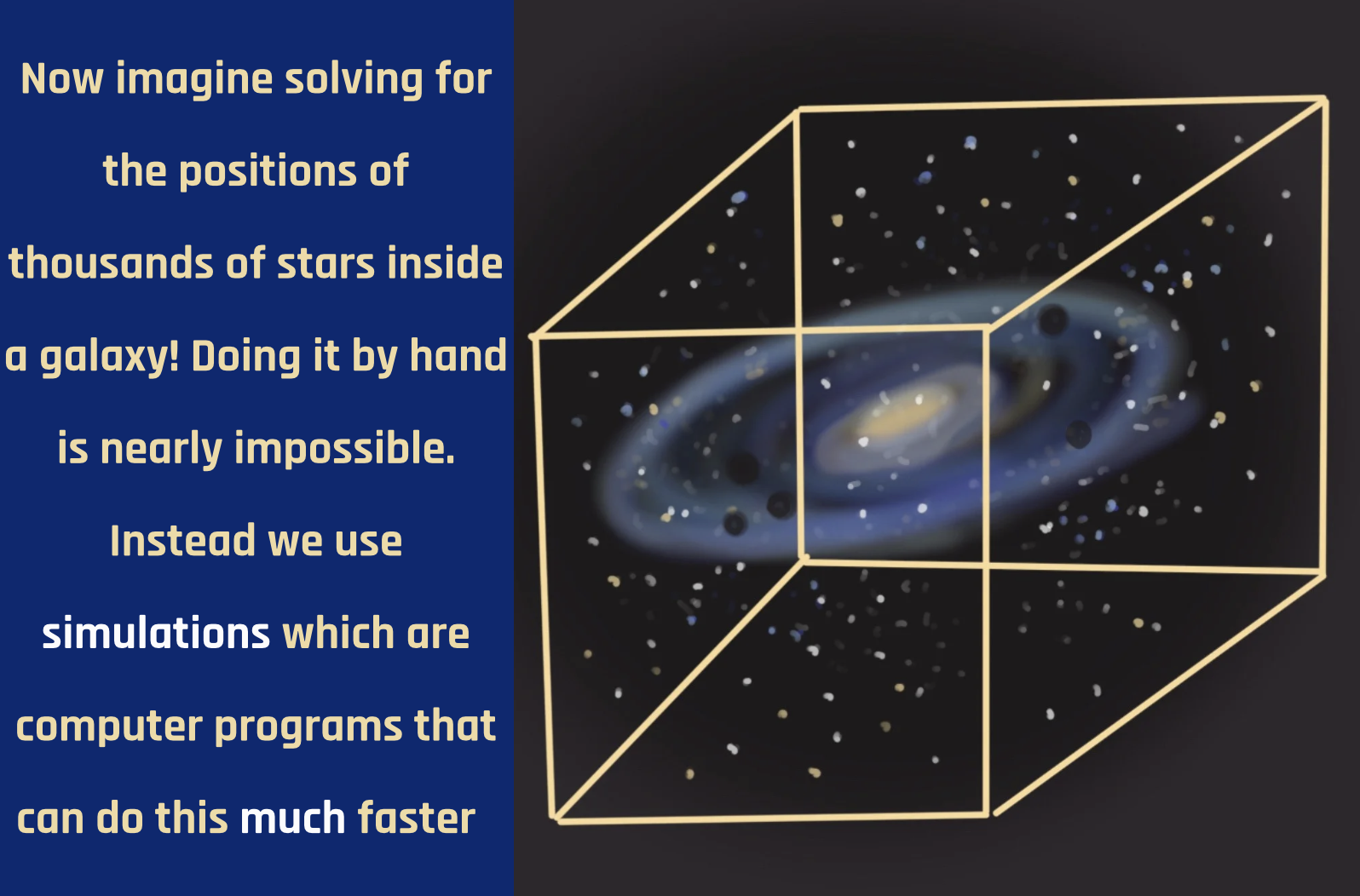
Essentially, I feed the initial positions and velocities of these objects to simulations that tell me how these objects evolve and interact over time allowing me to effectively build a ‘fake’ or simulated galaxy. I can then investigate these galactic environments to better understand the physical processes occurring within them.
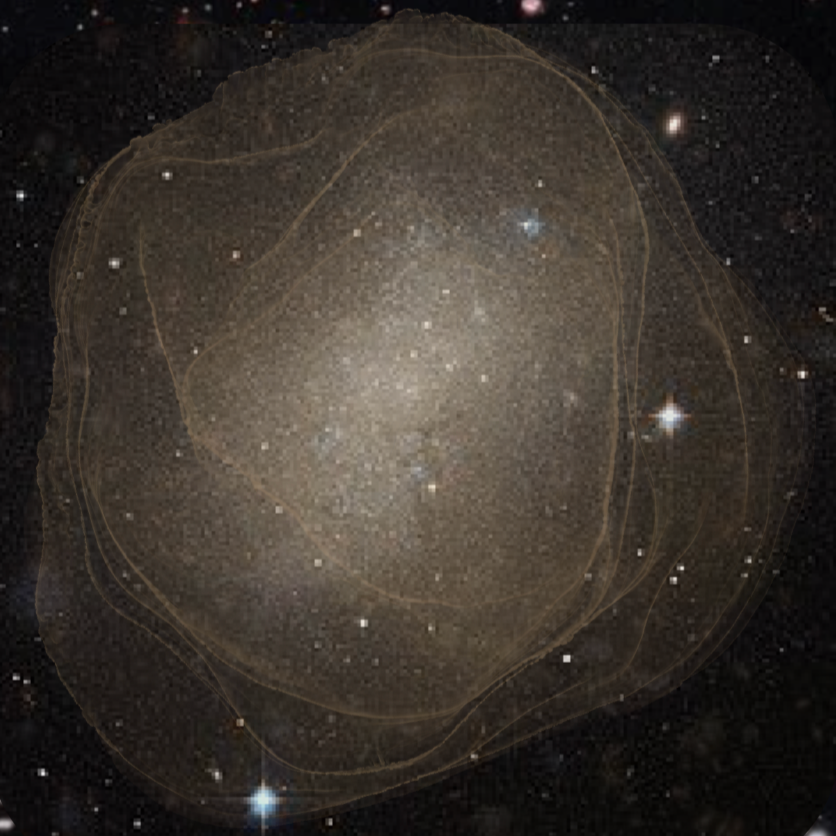
What you see on the left is an example of one such simulated (dwarf) galaxy along with a red dot representing a dark matter subhalo within it.
If we look closely, we might notice that a few stars seem to follow the subhalo. These stars are a part of its captured population. However, dealing with millions of objects in a dense system like this makes it hard to visually identify the captured stars or follow their trajectories over time. We need something more robust.
How, then, do we determine a captured star?
We focus on two things
Firstly, a star must be SLOW enough compared to the subhalo. In practice, this means it must not have enough energy to escape the subhalo’s gravity. A star that is moving too fast would simply fly past and evade capture entirely as the subhalo would be unable to hold on to it .
Secondly, a star must be CLOSE enough to the subhalo. More precisely, it should be within its tidal radius. The tidal radius is the region around a subhalo where its gravity dominates over that of the galaxy within which it resides - also called its host galaxy.
Only when both these conditions are met can a star be captured within the simulation. Hence, whether a subhalo is able to capture a star depends on not only its energy but also its tidal radius.
But a subhalo’s tidal radius is not constant! It depends on its distance from the host galaxy. The closer it is to the host, the stronger is the galaxy’s gravitational influence such that it may steal some stars and change the overall captured population.
We can see this in action on the right! The indigo centre is a simulated subhalo, the dashed line its tidal radius and the red and blue dots its captured stars (colour coded by the time of capture). As the subhalo moves closer to and further away from the dwarf galaxy, which is the black blob made of thousands of stars, its tidal radius shrinks and expands respectively. Naturally the number of captured stars also changes over time.
All this is to say,
Stellar capture is a temporary process
I observe that subhaloes host varying populations of captured stars and that the number of captured stars changes continually as the subhalo moves through a galaxy.
Video credit: MPhys project output
But how does knowing about stellar capture help us learn about dark matter ?

So far, I have talked about dark matter subhaloes, structure formation, and the process of stellar capture.
But why should we care about these subhaloes at all ?
Previously, I had mentioned that there exist many theories for what dark matter might be.
Even if we think dark matter is simply a special kind of particle, we know very little about this particle. One of the things we want to find out about this mysterious particle is its mass. As it turns out, the process of hierarchical dark matter structure formation connects deeply to its particle mass (and thus, its speed). E.g., we expect less massive particles to have moved quickly in the early Universe such that they would smooth out or erase small structures and clumps before gravity could pull them further together. On the other hand, more massive particles would move more slowly, allowing smaller structures to survive and, more importantly, grow over time.
To put it simply, the mass of the dark matter particle predicts how much of this small scale structure (including subhaloes) is expected to survive and exist and by identifying these structures on the smallest scales, we can directly place a lower limit on how massive the dark matter particle can be.
This makes subhaloes very interesting objects to probe and investigate. While they were traditionally assumed to be undetectable or invisible because they do not form their own stars, we now know stellar capture can potentially make them visible! The minimum subhalo mass detected using methods such as stellar capture can help us place a tentative lower limit dark matter particle mass since a particle any less massive than this would have ended up washing out structures smaller than the minimum subhalo mass scale !
Video credit: “A mesmerizing solution of the three-body problem!” by ASMR_Physics, Youtube video (2024). Original here.